Some of my best days started as busted ahi plans. One trip I had my numbers from the day before, and when I got to the zone that morning it was full of pilot whales. They were sitting on my primary spot and my backup. On a day like that I figure out which way the pilot whales are moving and go the opposite way, hoping to run into something. That day was super flat, and the only bird pile we found all morning was sitting on somebody's private buoy that had broken free and was drifting around. That piece of rubbish saved the trip. Here is how I fish floating debris when I find it.
Anything that floats out here long enough builds its own little ecosystem. Under that drifting buoy there was a nice layer of bait, and the shibi marks were right there on the sounder with it. Another day we were working a bird pile and there was so much bait and small fish in the water that I knew there had to be rubbish around somewhere, even before we saw it. Bait collects under the object, small fish collect under the bait, and the birds stack up on top and give the whole thing away. On a flat day with nothing else working, a single piece of rubbish can be the only game in town.
When I am searching instead of fishing, I do not troll at normal speed. I put a couple of small lures out on the riggers and run at what I call hunting speed, around 10 to 12 knots. I am covering water, watching for bird piles and porpoise, and the small stuff on the riggers is there so I do not waste a strike if we run over something on the way.
When I find birds or rubbish, the first move is always the same: slow down and make a pass with whatever is already out. A pile of small white birds all spread out and going every direction can be a whole lot of nothing, but sometimes good sized shibi are hanging underneath them, so the pass costs me nothing. If I make three or four circles and nobody bites, then I break down. That means smaller lures and slower speed. On the buoy day we missed one on the first pass, came back through with a small lure, and hooked a small shibi right away. The fish were there the whole time. They just wanted smaller and slower.
One more thing about timing: a pile can sink out fast. We found a tight ball of birds one afternoon with big shibi busting through it, never got a good pass on it, and by the time we circled back the whole thing had dropped deep. When you see the tight ball, get your pass in now, not after you finish re-rigging.
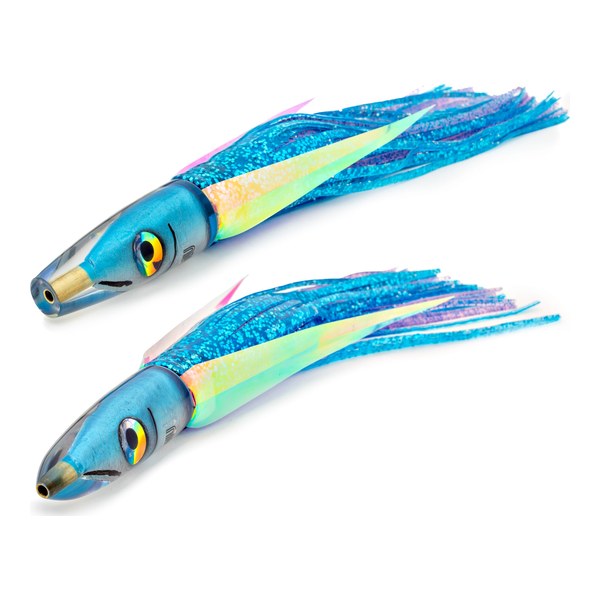
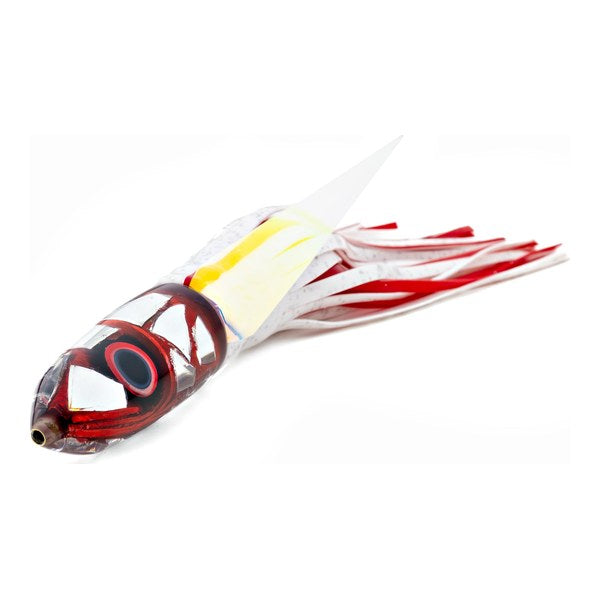
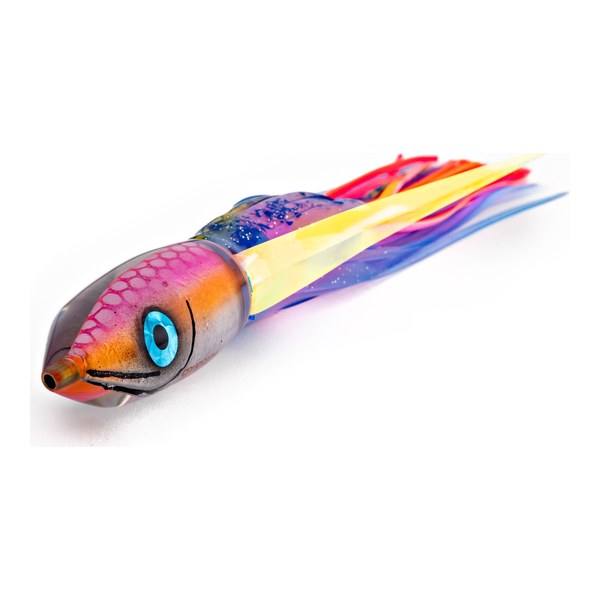
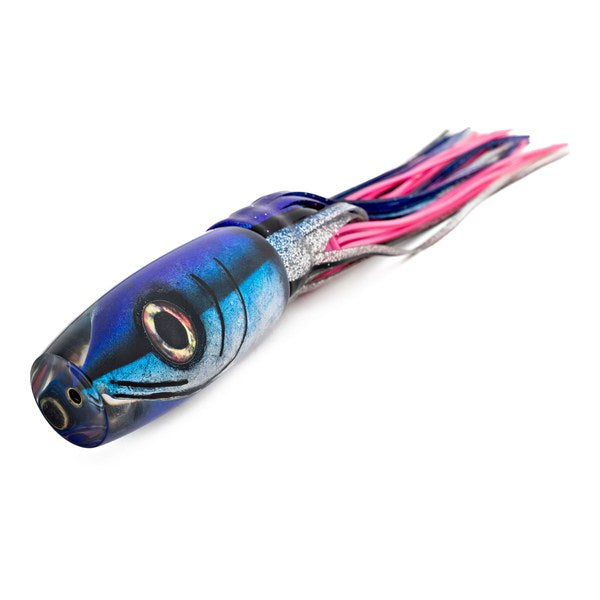
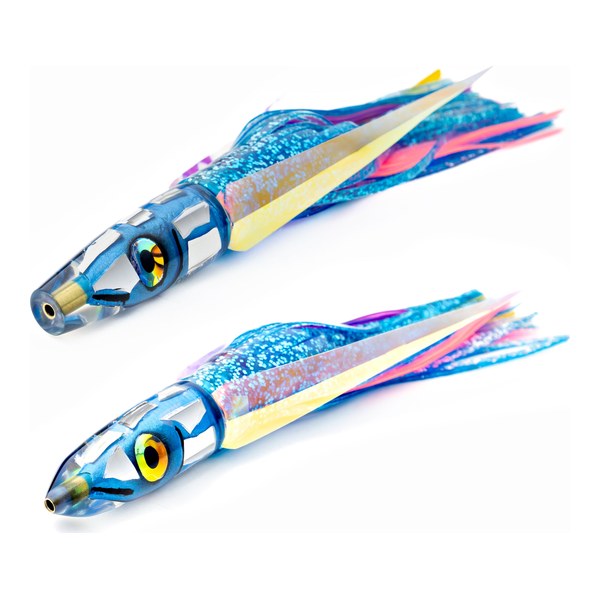
These are the numbers I actually run when I break down on a rubbish pile or an aku pile:
My six inch lures get so productive around this kind of stuff that I just leave them on the boat year round. The only catch is you have to check the leaders every now and again, because a leader that has been riding on the boat all season is how you lose a lure. One of my best small fish days came on a blue Aku Bone with some leftover flash from a lure I was making and a rubber skirt underneath it. The worm rig is an old local thing. Back in the day my dad made the same kind of rig with an eyeglass strap, and that style of rig put shibi in the boat for us up to the 40 to 45 pound class. If you want the full rundown on my small lure lineup, I wrote about it in my 7 inch and 6 inch guide, and the 5 inch Aku Bones are the exact lures I am talking about here.
I mark all my deep spots on the GPS, every one, just to have a reference. The current is going to be different every time you come back, but bait tends to hang out in the same areas, and having a screen full of marks tells you where to start looking. When the wind is up, I use the drift instead of fighting it. One rough day we hooked our first fish, drifted about half a mile down sea while we dealt with it, then set back up and worked our way back up to the zone. The second fish bit right as we made the turn. Working back up through the same water is not wasted time. It is a second pass.
Bait matters here too. Heading into summer the opelu start to breed, so if you are not out there real early in the morning it gets hard to catch bait, and a few weeks into it you will not catch opelu in the daytime at all.
Not every pile is worth your afternoon. If rough toothed porpoise show up, I am done. Even if I catch an aku and try to use it, the rough tooths will steal it while I am reeling it in or grab it as soon as I put it back out. Sharks tell a similar story. We have had a small oceanic whitetip eat an aku right off the line next to a rubbish pile. And if pilot whales are sitting on the spot, I do not wait them out. I figure out their direction and run the other way. A fresh piece of rubbish with birds on it beats a dead spot with company every time.
If you want to get better at telling a real pile from an empty one before you burn the fuel, start with how I read the birds in my bird pile post. The rubbish does not matter if you cannot find it, and the birds find it first.
Comments will be approved before showing up.

I run a 9-inch spread during ahi season, but the 7-inch and 6-inch lures earn their spot in the box for everything else. Here is how I use each size, when I reach for the Ali’i heavy series in rough water, and why I pull them all out once that 3-month ahi window opens.

We sell or give away the best cuts of every ahi, and the fisherman keeps the rest. Here is how I smoke the head, why the meat around the eyes smells like crab, and how what is left turns into a really good head soup.

I run all 9-inch lures during ahi season and nothing smaller, and the reason comes down to bycatch. Here's the spread I've been running for four years and why bullets and inverts stay where you put them in rough water.

Join the Tsutomu crew for early drop alerts, fish reports, and tips from the water.
Drops sell out. Add your number and get a text on every drop and restock before Instagram or email finds out.
By providing your phone number, you agree to receive promotional and marketing messages, notifications, and customer service communications from Tsutomu Lures. Message and data rates may apply. Consent is not a condition of purchase. Message frequency varies. Text HELP for help. Text STOP to cancel. See terms, see Privacy Policy.
Here’s 15% off your first order. Tap the code to copy it, or shop now and it applies at checkout automatically.