Ask any charter calendar when ahi season is in Hawaii and you will get the same answer: June, July, August. That is the season I grew up on too. But if you have been watching the fishing here on Oahu the last few years like I have, the big tunas seem to be coming earlier and earlier. This post covers what I have actually seen on the water and at the shop, and the checklist I run in January so I am not caught flat footed when the first wave of fish shows up.
Traditionally the season is the middle of June, July, and into August. Lately it has looked more like April, May, June. Last year, by late June, everything had pretty much died down.
And the early reports keep getting earlier. One January I shot a shop update on the 20th, and four days before that we had been out. Two separate boats fished that day, and one boat caught two ahi while the other caught three. That is January, not June. In 2020 our first real bite of the year came at the beginning of March, and we caught the tail end of a run where guys had been catching five and six fish a day just a couple of days before.
Here is my season math in one place:
I still keep the published guides in mind, and I wrote one on matching lures to the time of year in my Hawaii seasonal lure guide. But the dates on the calendar are the starting point, not the rule. The fish decide.
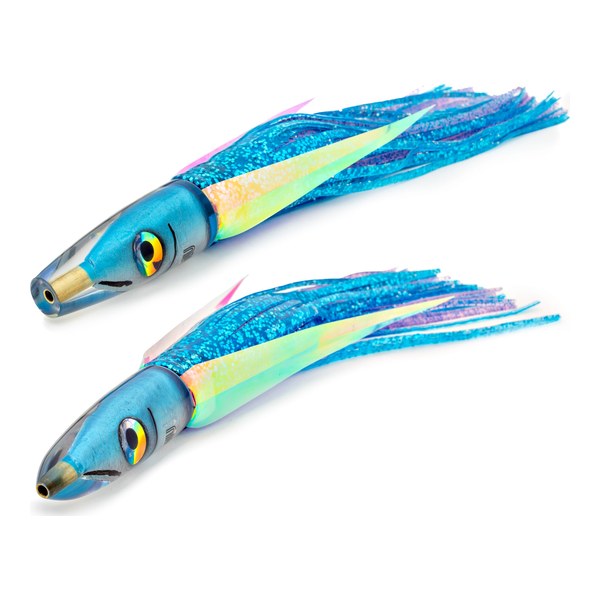
At the shop we turn our attention back to the bigger lures in January, even though it feels early, because it takes us a while to build them. The H1 inserts get poured in January so the lures are ready before the fish are here. The same logic applies to your boat. One year we already had the boat pulled out of the water in January, doing all the repairs and maintenance, because we were planning on the fish being here early. If a lure builder needs months of lead time, the guy maintaining his own boat and rigging does too.
This is the list I give guys every year, and it is the same list we run ourselves:
None of that is complicated. The point is the timing. It is probably going to be one of those years where nothing is happening, and then all of a sudden here they are, much earlier than most of us are anticipating. The guys who did the work in January are fishing that first wave. The guys who waited are changing leaders at the dock while their friends are hooked up.
That first 2020 bite taught the lesson well. The reports said guys were catching five and six a day, but the weather was super off, so we decided to wait it out. By the time we got out there and checked the spot in the morning, the fish had already moved on. What saved the trip was a report from my friend who had been out the day before and found a porpoise pile holding fish. We changed our plan, went looking for the porpoise, and ended up one of the first two boats in that pile when we found it. We got our bite.
Early in the year the fish are not spread across the whole coast. They show up in pockets, the bite runs for a few days, and then it moves. If you want in on it, your network matters more in February and March than it does in July. I wrote up how I work my call list and log reports in my pre-fishing intel system post.
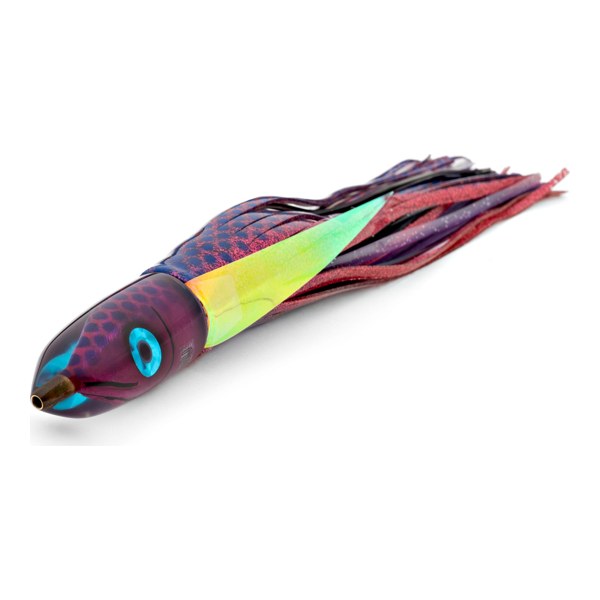
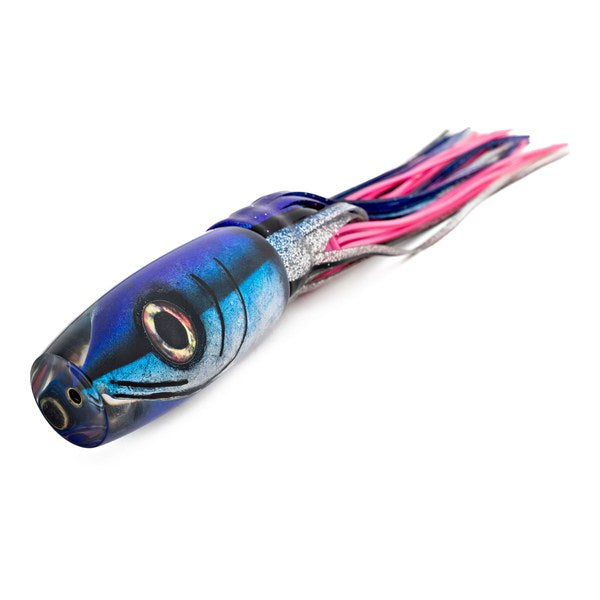
One more thing from that March fish. The report I got was that the bite was black, silver, and dark purple. Any time I hear black, silver, or anything dark, that tells me the fish are most likely feeding on squid, and a dark lure becomes my go-to. That day I had our H1 Darth Vader in the corner, dark purple over black, and that is the lure the ahi ate. When the early reports start coming in, do not just ask where the fish are. Ask what colors are getting bit, because that tells you what they are eating.
I am not telling you the season officially moved. I am telling you what we have seen: multi-fish days in January, a real bite by early March, and seasons that wind down by late June. Do your boat work, change your leaders and trailer hooks, fill the gaps in your lure box, and keep your ears open from February on. When that first early wave shows up, you want to be rigged, fueled, and already in the conversation.
Comments will be approved before showing up.

I use two different skirting techniques depending on the material because thick and thin skirts behave differently at the fold point. In this post I cover the ring trim technique for thick skirts, why I use coconut oil as a lubricant, and the front skirt positioning that keeps both layers opening correctly.


Some of my best days started as busted ahi plans. Here is how I find and work floating rubbish in Hawaii, from hunting speed between piles to the six inch lures and Aku Bones that go in the water first when I break down.

Join the Tsutomu crew for early drop alerts, fish reports, and tips from the water.
Drops sell out. Add your number and get a text on every drop and restock before Instagram or email finds out.
By providing your phone number, you agree to receive promotional and marketing messages, notifications, and customer service communications from Tsutomu Lures. Message and data rates may apply. Consent is not a condition of purchase. Message frequency varies. Text HELP for help. Text STOP to cancel. See terms, see Privacy Policy.
Here’s 15% off your first order. Tap the code to copy it, or shop now and it applies at checkout automatically.