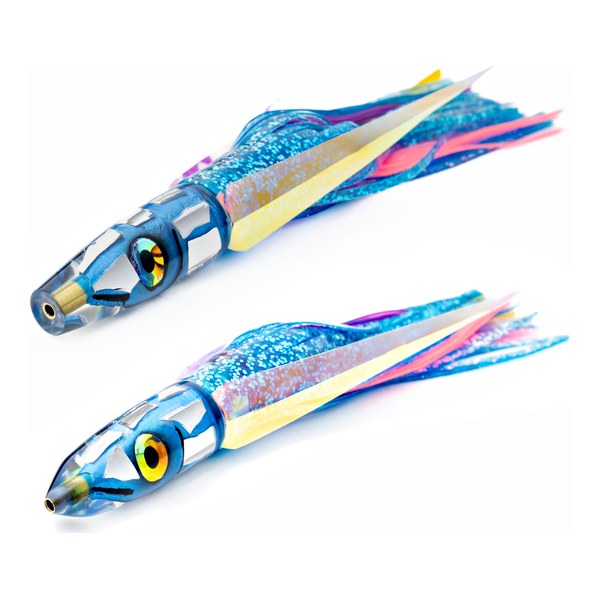
If you've spent any time trolling Hawaiian waters, you've probably noticed something: the lures that work here don't always look like what you'd find on the mainland or anywhere else in the world. There's a reason for that.
Hawaiian fishing lures evolved in some of the most challenging and productive pelagic waters on the planet. What works in the Atlantic or Gulf doesn't necessarily translate to the deep blue off Kona or the FADs outside Honolulu. Over decades, local lure makers developed designs specifically tuned to our conditions - and the results speak for themselves.
The Waters Shape the Lure
Hawaii sits in the middle of the Pacific, surrounded by water that drops to thousands of feet just miles offshore. Our target species - ahi, ono, marlin, mahi - are open-ocean predators that respond differently than their counterparts in murkier, shallower waters.
Hawaiian lures tend to be:
1. Designed for clarity. Our water is gin-clear. Subtle color combinations and natural-looking skirts matter more here than in turbid conditions where flashy, high-contrast patterns dominate.
2. Built for longer runs. We troll longer distances between bites. Hawaiian lures need to swim true at varying speeds for hours, in all conditions.
3. Tuned for our species. Ahi in particular have feeding behaviors that differ from Atlantic yellowfin. They often prefer smaller profiles and slower presentations - something mainland lure designs don't always account for.
The Hawaiian Lure Making Tradition
Hawaiian trolling lures didn't come from a factory. They came from fishermen who couldn't find what they needed and started making their own. Guys like Henry Choy, Joe Yee, and Bart Miller weren't trying to start a movement - they were trying to catch fish.
That tradition continues today. When you buy from a Hawaiian lure maker, you're getting something designed by someone who fishes these waters, tests their own products, and adjusts based on what actually works. There's no committee or marketing department deciding what goes into production.
Most Hawaiian lure makers pour their own heads, select their own skirts, and rig their own leaders. Every lure gets wet-tested before it ships. That hands-on approach isn't possible at scale, which is why Hawaiian lures tend to come from small operations rather than mass producers.
What to Look For
If you're shopping for Hawaiian-made lures, here are a few things that set them apart:
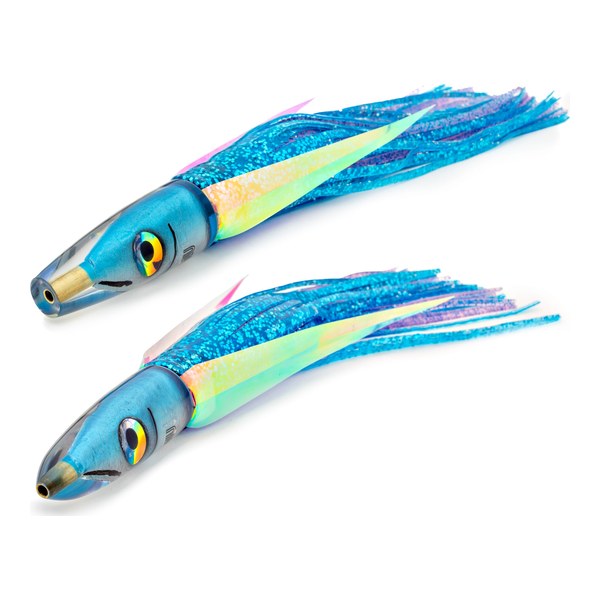
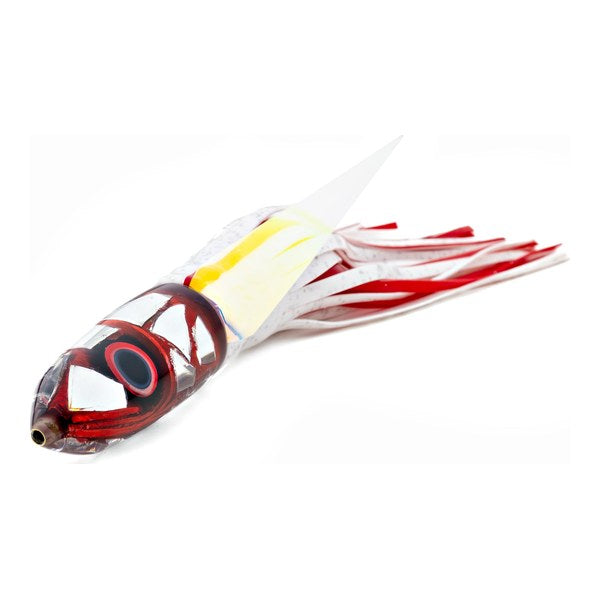
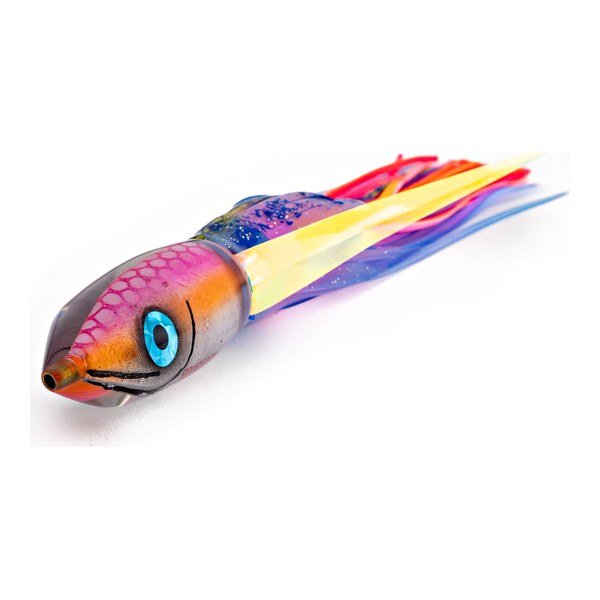
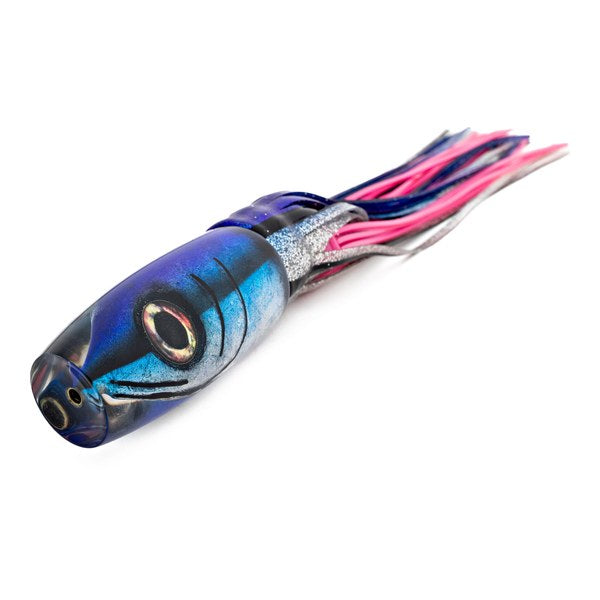
Head construction. Hawaiian lure heads are typically resin-poured rather than injection molded. This allows for custom shapes, internal weighting, and unique action characteristics that factory lures can't replicate.
Skirt selection. Local lure makers obsess over skirt combinations. The same head with different skirts fishes completely different. Hawaiian makers spend years dialing in color combos that work in our conditions.
Rigging. Many Hawaiian lures come pre-rigged or with specific rigging recommendations. Leader weight, hook placement, and swivel selection all affect how the lure swims. Makers who fish their own products know exactly how each design performs best.
Why It Matters
You can catch fish on any lure if you're in the right place at the right time. But the guys who fish Hawaii consistently - the captains running charters day after day, the weekend warriors who've been at it for decades - they mostly run local lures. Not out of loyalty, but because they've tried everything and this is what works.
Hawaiian lures aren't magic. They're the result of trial and error in specific conditions over many years. That kind of accumulated knowledge is hard to replicate from 2,500 miles away.
If you're fishing Hawaiian waters, it's worth having at least a few local designs in your spread. The fish don't read brand names, but they do respond to lures that swim right for the conditions they live in.
(Quick note: when we say "Hawaiian lures," we mean lures made in Hawaii - not necessarily by Native Hawaiians, though some of the pioneering lure makers were. It's a geographic distinction about where the craft developed.)
Comments will be approved before showing up.

Some of my best days started as busted ahi plans. Here is how I find and work floating rubbish in Hawaii, from hunting speed between piles to the six inch lures and Aku Bones that go in the water first when I break down.

I run a 9-inch spread during ahi season, but the 7-inch and 6-inch lures earn their spot in the box for everything else. Here is how I use each size, when I reach for the Ali’i heavy series in rough water, and why I pull them all out once that 3-month ahi window opens.

We sell or give away the best cuts of every ahi, and the fisherman keeps the rest. Here is how I smoke the head, why the meat around the eyes smells like crab, and how what is left turns into a really good head soup.

Join the Tsutomu crew for early drop alerts, fish reports, and tips from the water.
Drops sell out. Add your number and get a text on every drop and restock before Instagram or email finds out.
By providing your phone number, you agree to receive promotional and marketing messages, notifications, and customer service communications from Tsutomu Lures. Message and data rates may apply. Consent is not a condition of purchase. Message frequency varies. Text HELP for help. Text STOP to cancel. See terms, see Privacy Policy.
Here’s 15% off your first order. Tap the code to copy it, or shop now and it applies at checkout automatically.