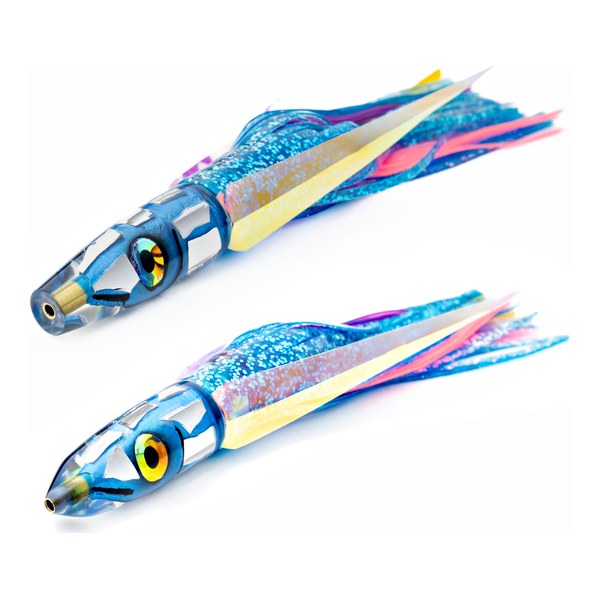
Ahi Lures That Actually Work - From a Hawaii Lure Maker
February 27, 2026

Ahi hit hard and they're not shy about chasing a lure. But the wrong headshape, color, or size and they'll swim right past. Here's what actually works in Hawaiian waters.
After decades of making lures here in Hawaii and watching them get bit on boats across the islands, here's what actually works for ahi - and why.
What Makes a Good Ahi Lure
Ahi are aggressive feeders with excellent eyesight. They cruise fast, strike hard, and won't hesitate to hit a lure that looks like food. But they're also picky - the wrong color, wrong action, or wrong size and they'll swim right past.
Three things matter most:
1. Head shape - Controls the action and smoke trail
2. Color/finish - Ahi respond to specific contrast and patterns
3. Size - Match the size of the bait that they're feeding on
Best Lure Shapes for Ahi
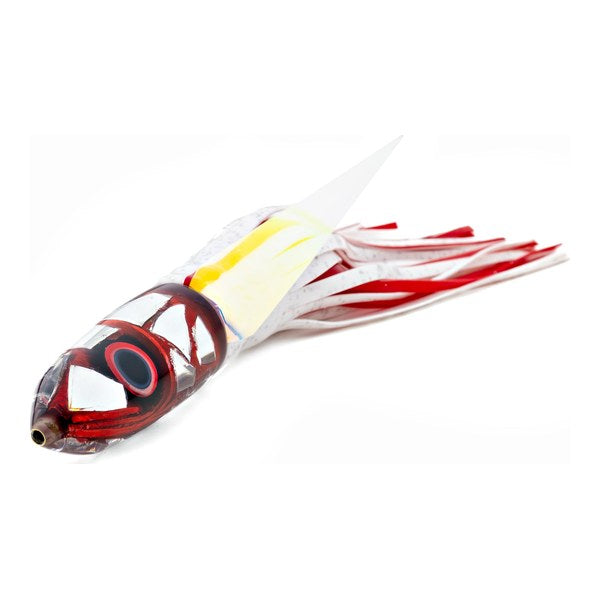
Bullet Heads
The workhorse. Bullets track straight, run true at speed, and throw a clean bubble trail. They're forgiving across a range of trolling speeds (6-9 knots), you can pull them very far away from the boat out of the wash and they won't tangle easily and they work in everything from calm water to moderate chop.
Best for:Everyday trolling, mixed spread, beginners
Inverts
Inverts dig and pop, creating an erratic action that triggers reaction strikes. They're louder and more aggressive than bullets - which is exactly what you want when ahi are being finicky or if it's very calm.
Best for: Calm water, finicky fish, short corner positions
Jet Heads
Jets push water through the head, creating a distinctive smoke trail and darting action. They're the go-to for high-speed trolling (9+ knots) and excel at triggering big ahi.
Best for: High-speed spreads, targeting larger fish, long rigger positions
Best Colors for Ahi
Color selection depends on conditions, but some colors consistently produce in Hawaiian waters:
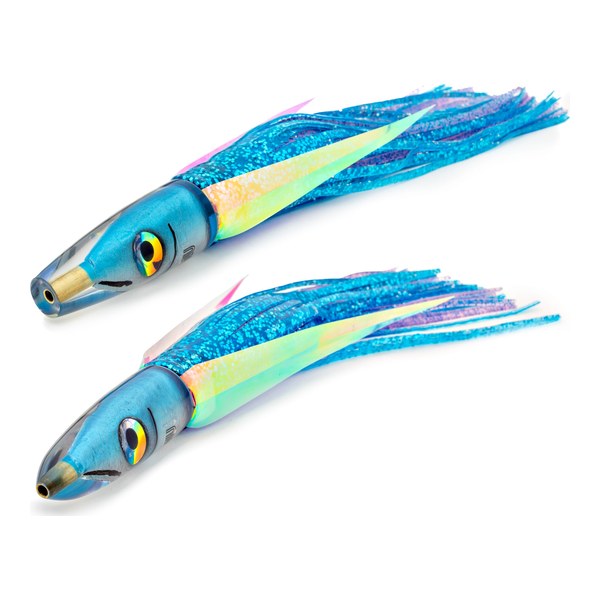
Blue/Silver
Matches all the baitfish that ahi feed on constantly. This is the most reliable all-around color. If you only have one lure, make it blue/silver.
When to run: Clear water, sunny days, any time you're not sure what to pull
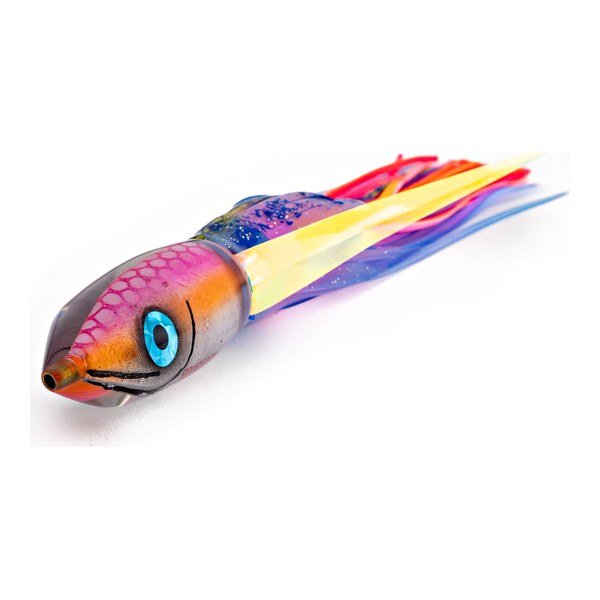
Pinks
Triggers aggressive strikes, especially in low light. There's something about pink that ahi can't resist - it shows up well at depth and stands out from natural baitfish.
When to run: Dawn, dusk, overcast days, deeper positions in the spread
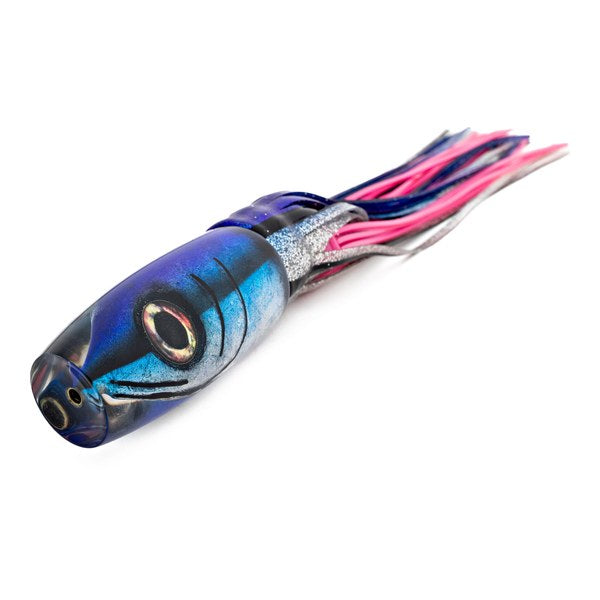
Purple/Silver
Ahi eat small aku. A purple/silver lure imitates juvenile aku and can trigger territorial aggression. This is an underrated color that constantly produces big fish.
When to run: When Aku are in the area, warm water, FAD fishing
Cracked Glass
Subtle and realistic. When ahi are being picky or the water is ultra-clear, a natural pattern with some flash can be the difference between getting bit and going home empty.
When to run: Calm/clear conditions, pressured fish, finicky biters
Pro tip: When in doubt, size down. A smaller lure that gets bit is better than a bigger lure that gets ignored. Ahi have no problem eating a 6" lure - even the big ones.
Rigging Ahi Lures
Proper rigging is half the battle. A perfectly chosen lure rigged wrong will spin, tangle, or pull out of a fish's mouth.
The basics:
- Leader: 300-400 lb mono, 6-8 feet
- Hook: 9/0-11/0 stainless or carbon steel, offset
- Skirt: Should extend 1-2" past the hook point
- Chafe tube: Protect the leader where it exits the head
Double hook rigs are popular for ahi. The trailing hook catches short-strikers and improves hookup ratio on fast-moving fish.
Building an Ahi Spread
A typical 6-line spread for ahi:
| Position |
Lure Style |
Size |
Color |
| Short corner (port) |
Bullet |
7" |
Blue/silver |
| Short corner (stbd) |
Invert |
7" |
Purple |
| Long corner (port) |
Bullet |
9" |
Natural |
| Long corner (stbd) |
Jet |
9" |
Green/yellow |
| Short rigger |
Bullet |
6" |
Blue/silver |
| Long rigger |
Jet |
9" |
Purple/pink |
Mix head styles and colors. If nothing's biting, swap the short corners first - that's where most strikes happen.
Trolling Speed for Ahi
Ahi will bite when going fast. Unlike marlin that often prefer 7-8 knots, yellowfin will chase lures at 9-10+ knots without hesitation. Although, most of our bites happen when we're running down-seas at 6 knots.
Speed guide:
- 6-7 knots: All conditions, smaller lures, mixed spread with marlin gear
- 8-9 knots: Standard ahi hunting, most conditions
- 9+ knots: Covering ground, high-speed jets, targeting big yellows
Watch your lure action. If the lure is spinning or not tracking right, slow down or check your rigging.
Where to Find Ahi in Hawaii
Ahi are everywhere in Hawaiian waters, but they concentrate in specific spots:
- FADs (Fish Aggregating Devices) - The most reliable. Smaller Ahi stack under buoys.
- Seamounts - Underwater structure attracts bait and predators.
- Temperature breaks - Where warm and cool water meet. Look for color changes.
- Bird piles - Diving birds mean bait below. Get your lures in there fast.
- Porpoise schools - Ahi run with dolphins. Troll the edges, not through the middle. (Behave yourself)
Final Thoughts
Catching ahi consistently comes down to putting the right lure in front of fish. That means:
1. Match the bait - Blue/silver for opelu, green for mahi pattern
2. Match the conditions - Don't put light lures out when its smoking out there.
3. Match the size - Don't overlure; ahi eat smaller than you think
4. Rig it right - A poorly rigged lure won't swim right and won't get bit
Every lure in our shop is designed and tested in Hawaiian waters for Hawaiian fish. When you're pulling Tsutomu, you're pulling what local captains trust.
Tsutomu Lures - Handmade in Hawaii since 1985*
Leave a comment
Comments will be approved before showing up.